Insights
Why Mytra? — style guide test (every content type)
Chris WaltiAhmad Baitalmal
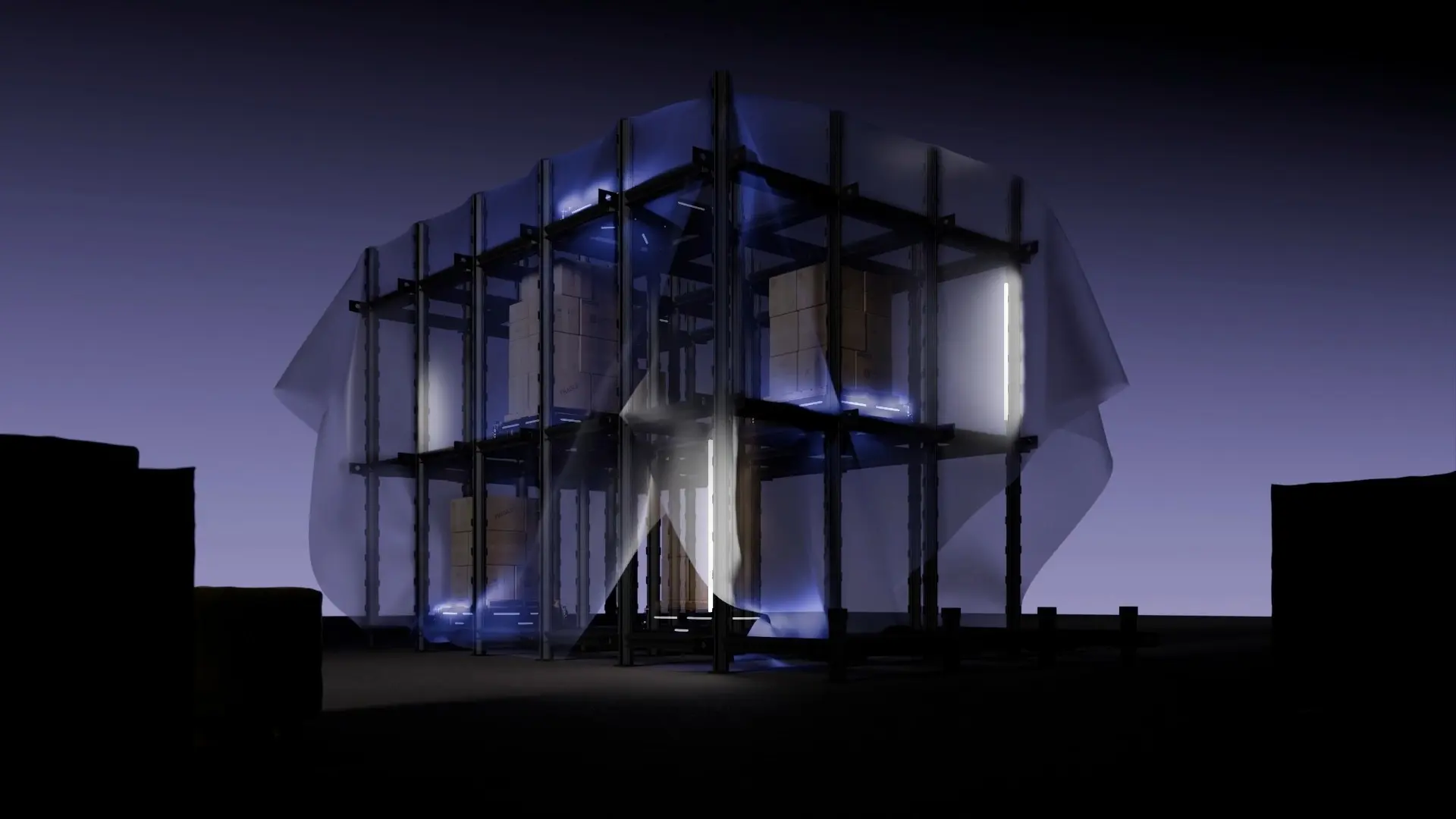
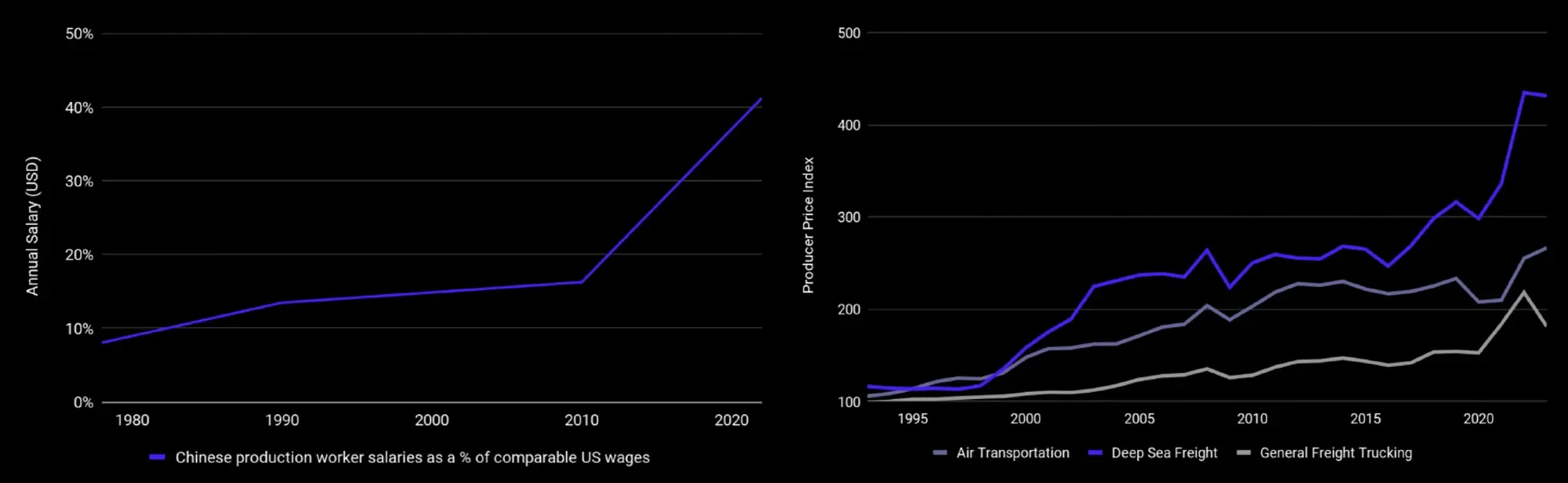
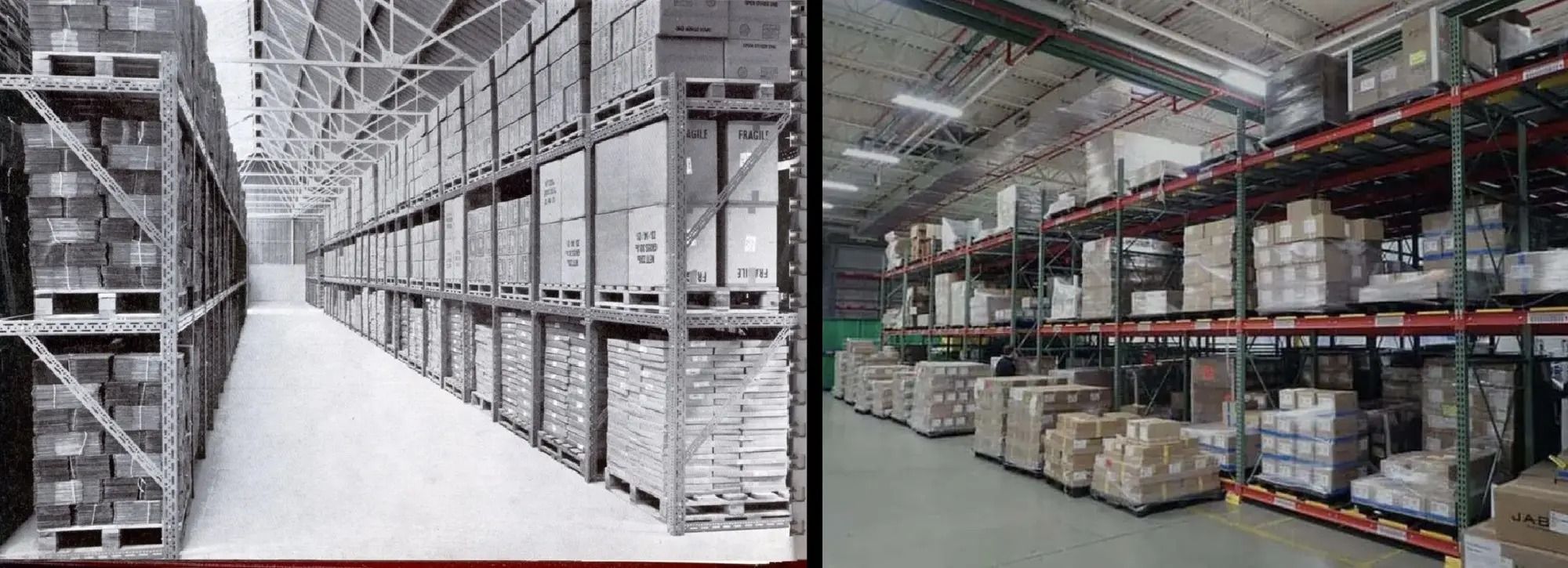
Manufacturing and industry are at a crossroads. While technology has advanced at a rapid pace, many factories still operate using technology from a bygone era. These systems are mechanically defined, complex, and include thousands of points of possible failure.
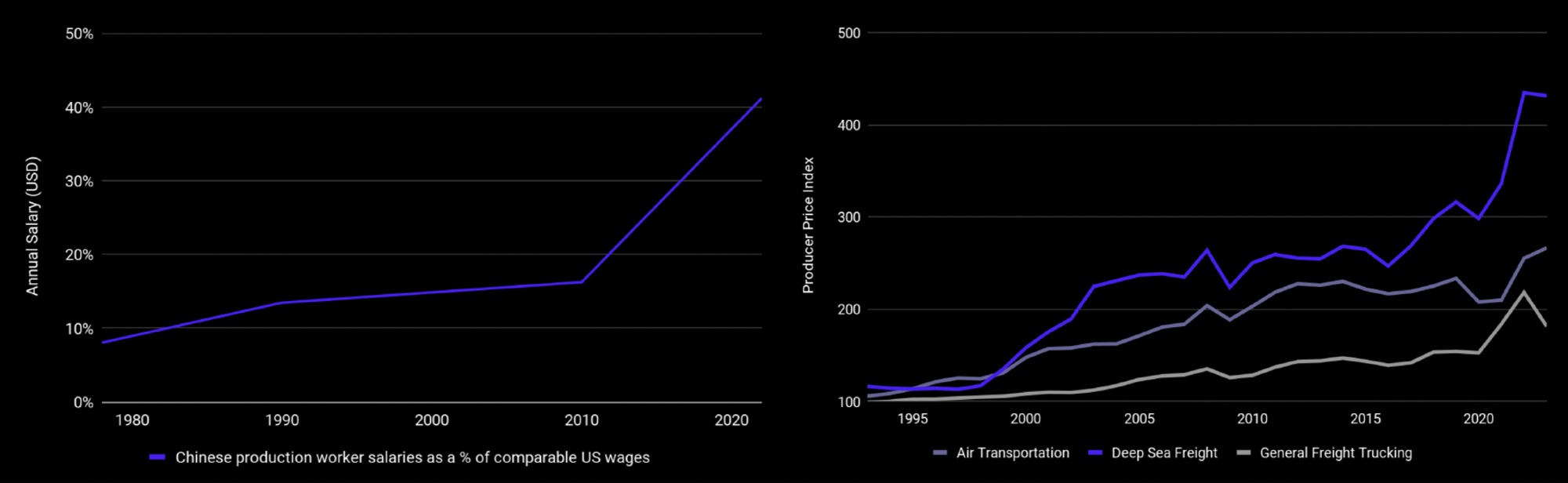
They aren’t built to handle modern day pressures, such as geopolitical issues and unpredictable supply chains. Faced with uncertainty, manufacturers are struggling to find the balance between resilience and efficiency in their supply chain strategies. More redundancy and inventory are being added to cushion against disruption, but this comes at the expense of efficiency.
{
qweqwe
“Powering productivity with a universal material flow system”
Chris Walti
We’ve seen the best existing technology has to offer, and we’ve experienced its shortcomings.
Dimensions
- Storage Density
- Vertical Reach
- Payload
- Throughput
- Navigation
ASRS
- High
- Separate
- 2000 lbs
- Fixed
- Fixed
AMR
- Low
- None
- 500 lbs
- Add robots
- Automated
How existing automation systems are missing the mark
Today’s factories need to be agile enough to handle fluctuating operating requirements and unpredictable needs. Existing automation systems aren’t equipped to meet these challenges. Instead, they are designed to perform specific, repetitive tasks, like packing parcels. This lack of reliable and intelligent automation that scales with business needs results in a misalignment between automation and consumer needs.
import anthropic

client = anthropic.Anthropic()

message = client.messages.create(
    model="claude-opus-4-8",
    max_tokens=1024,
    messages=[{
        "role": "user",
        "content": "Hello, Claude"
    }]
)
print(message.content[0].text)
In a world where so many external factors can affect a global network, companies need resilient local manufacturing and distribution solutions that enable them to meet customers’ needs. With new forces reshaping manufacturing and industry, the next solution has to tick several new boxes.
It needs to use the fewest components possible, while covering the most applications possible.
The technology must be something anyone can use without requiring advanced training or knowledge.
The solution must be able to scale throughout the business without causing a disruption to existing production.
And finally, it has to provide a compelling financial return that exceeds the status quo.